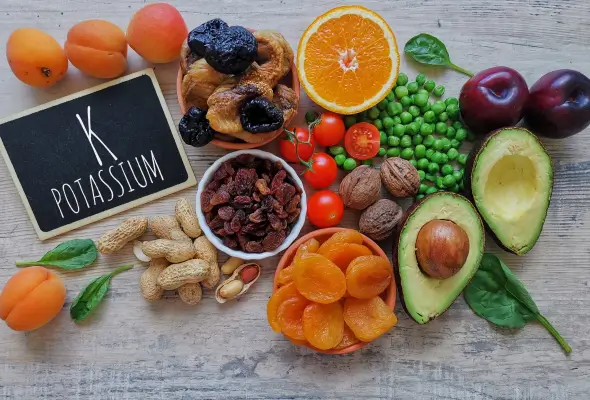
Potassium is a mineral nutrient that is involved in many bodily functions. It is responsible for heart function, muscle contractions and nerve signals. Many people do not get enough potassium in their diet which can cause many health issues. Luckily there are many tasty foods that are rich in potassium. Eating these foods can boost your potassium levels.
How to Increase Potassium in the Body: Potassium-rich Foods
It is very important to increase potassium levels in the body to maintain overall health and wellbeing. Fortunately, there are numerous foods that can boost potassium intake.
- Fruits: Fruits are excellent sources of potassium and offer a natural way to increase intake. Some of the best options include:
- Bananas: A medium-sized banana contains about 422 mg of potassium.
- Oranges: One medium orange provides approximately 237 mg of potassium.
- Melons: Cantaloupe and honeydew melons are particularly rich in potassium.
- Dried Fruits: Apricots, prunes, and raisins are concentrated sources of potassium.
- Adding these fruits to your breakfast cereals, smoothies, or snacks can boost your potassium intake.
- Vegetables: Vegetables are another rich source of potassium. They are also low in calories. The following are some best choices:
- Potatoes: A medium baked potato with the skin cover contains around 926 mg of potassium.
- Sweet Potatoes: These offer about 542 mg of potassium per medium-sized potato.
- Spinach: A cup of cooked spinach provides approximately 839 mg of potassium.
- Broccoli: One cup of sautéed broccoli contains about 457 mg of potassium.
- Include these vegetables in your meals. You can roast, steam or add them to salads to increase potassium levels.
- Legumes: Legumes are one of the best sources of potassium. They also provide fibre and protein. Some of the best potassium-rich legumes are listed below.
- White Beans: One cup of boiled or cooked white beans contains nearly 1,004 mg of potassium (21% Daily Value).
- Lima Beans: A full cup of cooked lima beans contains almost 969 mg of potassium.
- Lentils: One cup of completely cooked lentils provides nearly 731 mg of potassium.
- Add legumes to soups, stews or salads to boost potassium intake while get other essential nutrients as well.
- Dairy Products: Dairy items are rich in both calcium and potassium. Some of the best daily products to include are:
- Yoghurt: One cup of plain, fat-free yoghurt has nearly 579 mg of potassium.
- Milk: A cup of low fat milk provides nearly 366 mg of potassium.
- Include dairy products in your meals or snacks to increase potassium levels.
- Fish: Certain kinds of fish are excellent sources of potassium. Some top choices include:
- Salmon: A 3 ounce portion size of cooked salmon has nearly 326 mg of potassium.
- Halibut: A 3 ounce serving of cooked halibut provides almost 490 mg of potassium.
- Tuna: A 3 ounce serving size of canned tuna in water has 201 mg of potassium.
- Include fish in your meals a few times a week to increase potassium intake.
- Meat: Meat usually does not contain potassium. But there are some types of meat that do provide a good amount of this mineral.
- Chicken: A 3 ounce serving of chicken breast nearly provides 332 mg of potassium.
- Add lean meats to your meals to boost potassium levels and also get protein.
- Nuts and Seeds: These small and crunchy snacks are rich in healthy fatty acids. They also contain a good amount of potassium:
- Almonds: A quarter cup of almonds provides 200 mg of potassium.
- Peanuts: A quarter cup of peanuts nearly has 187 mg of potassium.
- Sunflower Seeds: A quarter cup of sunflower seeds has almost 241 mg of potassium.
- Eat nuts and seeds. Include them between your meals or add them to your salads and yoghurt to increase your potassium intake.